Aug 19, 2025


Which One Suits Your Project?——A Guide to Mirror Materials
Aug 19, 2025
Introduction
Mirror frames are more than just borders around a reflective surface — they define the style, character, and overall ambiance of a space. Whether you’re designing a high-end residential project, a commercial office, or a retail store, choosing the right mirror frame material is crucial. This guide will explore the most popular mirror frame materials — including solid wood, MDF, PS/plastic, aluminum, LED decorative frames, iron, rattan, and injection-molded options — helping you decide which material best fits your project.
Solid Wood Frames
Material Features:
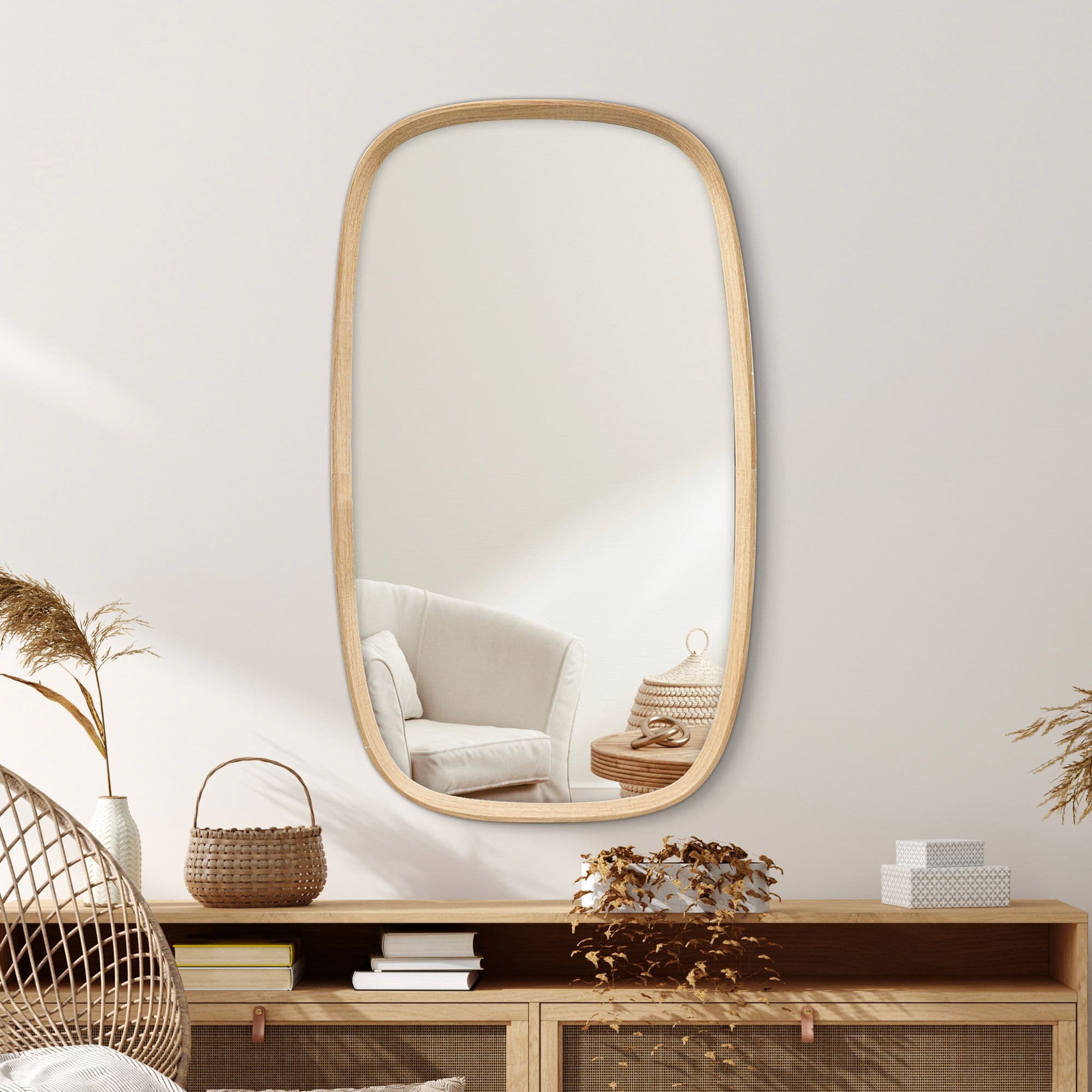
Solid wood frames offer natural beauty, durability, and a classic aesthetic. They can be stained, painted, or left in their natural finish.
Best Applications:
Luxury residential interiors, boutique hotels, executive offices.
Pros and Cons:
Pros: Elegant appearance, sturdy, long-lasting.
Cons: Higher cost, sensitive to humidity and temperature changes.
Tips for Use:
Choose hardwoods for high-end applications and consider proper sealing to prevent warping.
MDF (Medium
Density
Fiberboard) Frames
MDF is engineered wood that is easy to shape, smooth, and cost-effective.
Office interiors, bulk residential projects, spaces requiring customizable profiles.
Pros: Affordable, easy to paint or veneer, lightweight.
Cons: Less durable than solid wood, can swell if exposed to moisture.
Ideal for decorative moldings and painted finishes in indoor environments.
PS Frames
Polystyrene (PS) or other injection-molded plastics are lightweight, moisture-resistant, and versatile.
Bathrooms, kitchens, modern minimalist designs, or mass-produced projects.
Pros: Water-resistant, easy to maintain, low cost.
Cons: Less premium look and feel compared to wood or metal.
Use textured or painted finishes to mimic high-end materials.
Aluminum Frames
Aluminum frames are sleek, strong, and lightweight, with modern appeal.
Commercial offices, exhibition spaces, contemporary homes.
Pros: Corrosion-resistant, lightweight, customizable finishes.
Cons: Can be expensive, less traditional aesthetic.
Powder-coated or anodized finishes provide extra protection and design flexibility.
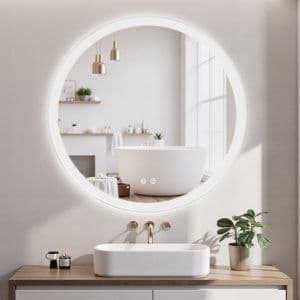
LED Decorative Frames
Frames integrated with LED lighting add both functionality and style, enhancing visibility and ambiance.
Retail displays, modern interiors, and decorative accent pieces.
Pros: Provides illumination, visually striking, modern.
Cons: Higher cost, requires electrical installation.
Ensure proper installation for safety, consider dimmable options for versatility.
Iron / Metal Frames
Iron frames offer industrial strength, durability, and a classic or vintage look.
Industrial lofts, commercial spaces, accent mirrors.
Pros: Strong, durable, distinctive style.
Cons: Heavy, prone to rust if untreated.
Apply protective coatings or powder coating to prevent corrosion.
Rattan / Woven Frames
Rattan frames bring natural textures, warmth, and artisanal appeal.
Tropical, bohemian, or eco-friendly interior designs.
Pros: Lightweight, eco-friendly, visually appealing.
Cons: Less durable in high-traffic or humid areas.
Best for decorative mirrors in residential or low-moisture commercial spaces.
Injection-Molded / Composite Frames
High-precision molding allows complex designs and large-scale production at lower costs.
Retail displays, bulk orders, custom shapes.
Pros: Cost-effective, consistent quality, versatile design.
Cons: Limited premium feel compared to natural materials.
Perfect for projects requiring uniformity and complex decorative patterns.
Conclusion
Choosing the right mirror frame material is essential for balancing aesthetics, durability, and budget. By understanding the characteristics of solid wood, MDF, aluminum, LED, iron, rattan, PS, and injection-molded options, you can select a frame that complements both your project’s design and functional requirements.For more frames, visit our website:
https://www.intcoframing-us.com/mirror/
Pro
Tip
for Buyers:
Always consider installation conditions, client expectations, and maintenance requirements when specifying mirror frames for large-scale or high-end projects
NEXT
Press Release
Jan 29, 2024
The 2023 Bloomberg Green ESG…
Inspiration
5 Ways an LED Bathroom Vanit…
Industry News
The Major Materials of Medic…
Shop Now